

 If you’ve been told you have fatty liver disease or MASH, you might wonder if it could turn into cirrhosis. Most people with fatty liver don’t develop cirrhosis, but scarring can build up over time without obvious symptoms. That’s why it’s important to know when to get checked and what those tests involve. Doctors focus more on your fibrosis stage (how much scarring you have) than on how you feel—especially if you have MASH and other risks like diabetes or high blood pressure. You may also see updated terms, such as MASLD/MASH, in place of NAFLD/NASH, as medical terminology changed in 2023.
This blog breaks down when having fatty liver or MASH means it’s time to get checked for cirrhosis. You’ll find simple explanations of what cirrhosis and fibrosis staging mean, what risk factors and lab results might trigger more testing, and what the evaluation usually includes. It also explains why your fibrosis stage matters for long-term health and how to discuss next steps with your doctor.
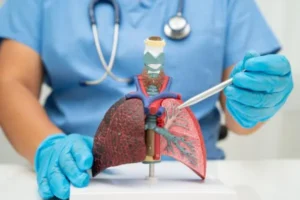 Cirrhosis means the liver has extensive scarring. Early on, the liver still works well (called compensated cirrhosis). As scarring gets worse, the liver can’t keep up, and problems are more likely (this is decompensated cirrhosis).In MASH, the usual order is: fat accumulation, then inflammation, then fibrosis (scarring), and finally cirrhosis (severe scarring).
One of the biggest challenges with MASH-related liver disease is that you can have meaningful scarring and still feel okay. That’s why clinicians focus on the fibrosis stage—because scarring level is one of the strongest signals of long-term risk.
In other words, if you’re trying to answer “how serious is my liver disease?”, the most useful next step is often figuring out how much scarring is present, not just whether fat is present.
 Here are common reasons your doctor might order more tests to screen for fibrosis or cirrhosis. This isn’t a diagnosis—use it as a guide for your next talk with your healthcare team.
1) You have MASH and other metabolic risks If you have fatty liver/MASH and any of the following, it’s worth asking about fibrosis assessment:
While liver enzymes can be useful, they don’t always accurately reflect the severity of your condition. Some individuals with a lot of scarring in their liver can have almost normal enzyme levels, especially if these levels change often. If you have many risk factors, your doctor might suggest liver scarring tests even if your lab results aren’t particularly abnormal.
If you’ve ever been told you have moderate or advanced fibrosis (often called F2 or F3), you’ll likely need more testing, regular follow-up, and sometimes a specialist.
For instance, a slight decrease in platelets or shifts in INR/albumin might prompt doctors to consider liver health and portal vein pressure. These alterations can result from many factors, so they don’t mean a specific illness on their own, but they often lead to further testing.
Symptoms can be nonspecific, but these ought to prompt a timely conversation with your clinician:
If these symptoms come on suddenly or worsen quickly, get medical help right away.
 An assessment for liver scarring (fibrosis/cirrhosis) typically involves evaluating your personal risk factors, blood test results, and non-surgical methods to detect liver damage.
Your doctor might use:
The best way to check depends on your medical history, test results, and the information your doctor needs.
 Study 1: Fibrosis stage predicts outcomes
A large study found that the extent of liver scarring (fibrosis stage) is closely linked to liver problems and survival, even more than other test results.
Why it matters: This is why doctors focus on staging fibrosis—not just tracking symptoms or liver enzymes.
A review of many studies showed that as the fibrosis stage increases, so does the risk of death.
Why it matters: Fibrosis stage is one of the strongest predictors of long-term health risk.
 If you’re worried about your liver getting worse, here are some helpful questions:
– Can we check my fibrosis stage?
– Should I get an imaging test like elastography?
– Do I need to see a liver specialist?
– How often should I have follow-up tests?
Remember: This blog is for information only. Your doctor is the best person to explain your results and the following steps.
If you have MASH-related cirrhosis and want to join a clinical study, Quality Research is enrolling adults 18–80 for a trial of pegozafermin, with compensation for time and travel.