

 Being told you have “cirrhosis” can be a lot to take in, often meaning a significant change in your health. If you’re diagnosed with MASH-related cirrhosis, it can bring on a wave of emotions like fear for what’s ahead, uncertainty about the next steps, sadness over lifestyle changes, and even anger. The symptoms can vary a lot, including fatigue, swelling, or changes in how much you want to eat, and understanding medical terms and test results can be difficult. It’s common to feel confused by all the doctor visits and choices. However, it’s important to understand youre not alone. Local research studies, like those at Quality Research, are looking for new ways to treat this condition, offering people with cirrhosis access to advanced treatments, help, and optimism.
This article will walk you through what MASH is, what cirrhosis means for your health, and describe a clinical study in San Antonio that some people consider. Our goal is to offer clear, supportive information so you can better understand your options without feeling judged or pressured.
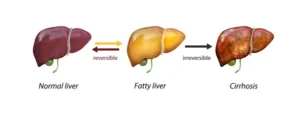 MASH refers to Metabolic Dysfunction–Associated Steatohepatitis, a form of fatty liver disease. With MASH, the liver accumulates fat, experiences inflammation, and its cells become damaged. Eventually, this can lead to the formation of scar tissue, called fibrosis.
You might be familiar with the older terms NASH or NAFLD. Experts revised these names to better reflect the condition’s underlying causes and to reduce negative perceptions. MASH has now replaced NASH, and MASLD has replaced NAFLD.
For more details, see the American Association for the Study of Liver Diseases (AASLD) explainer:
https://www.aasld.org/new-masld-nomenclature
When inflammation keeps going, the liver tries to heal itself by forming scar tissue, called fibrosis. If this scarring becomes severe and spreads throughout the liver, it is known as cirrhosis. Cirrhosis makes it harder for the liver to work properly and raises the risk of other health problems.
If you have MASH-related cirrhosis, you may deal with lab tests, doctor visits, tiredness, lifestyle changes, and worries about the future. These feelings are normal and understandable.
Quality Research has a plain-language guide that explains how fatty liver disease can progress to fibrosis and cirrhosis:
https://qualityresearch.com/introduction-to-nash-stages-diagnosis-and-liver-fibrosis/ (Quality Research)
Most treatment for MASH focuses on managing things like weight, blood sugar, and cholesterol, along with regular liver checkups. Once cirrhosis develops, however, there’s a greater need for new treatments, especially for advanced liver scarring.
Clinical studies help researchers test new treatments. Joining a study is always your choice, and you’ll get clear information about what’s involved before you decide.
 Quality Research is currently enrolling for a MASH Cirrhosis Clinical Study in San Antonio. The study includes:
To see if you may be eligible, you can call Quality Research at 210-824-5678 or complete the form on the study page.
Important note: Not everyone who applies will qualify. Screening exists to protect participant safety and ensure the study results are meaningful.
 An investigational medication is one that is still being studied and has not yet been approved for a specific use. That doesn’t mean it’s unsafe—it means researchers are still gathering the evidence needed to understand safety and effectiveness in a defined population.
If you’re considering a clinical study, it helps to know what the process usually feels like because uncertainty is often the hardest part.
While each study is different, many follow a general flow:
You’ll also be informed about potential benefits, possible risks, and what participation would require before you decide. (That’s part of informed consent.)
This is personal—and there’s no pressure answer.
A clinical study might feel worth exploring if you:
And it may not feel right if you:
If you’re unsure, it’s okay to start with a simple step: ask questions. A reputable research site will welcome them.
 Living with MASH-related cirrhosis is challenging. Looking into a clinical study is just a way to see what options are available—there’s no pressure or obligation to join.
To learn more about the San Antonio MASH Cirrhosis study at Quality Research:
https://qualityresearch.com/studies/mash-cirrhosis-clinical-study/ (Quality Research)
Or call: 210-824-5678 (Quality Research)
MASH is the newer name for what was previously called NASH. The condition involves fatty buildup in the liver with inflammation that can progress to scarring and cirrhosis.
Not necessarily. Many clinical trials include multiple study groups (e.g., a study drug group and a comparison group). The study team can explain how this specific trial works.
It means the medication is still being studied and has not yet been approved for this specific use. This study is researching pegozafermin for MASH-related cirrhosis.
The study listing states participants may earn up to $5,000 for time and travel. (The exact amount can depend on visits and study requirements.)
Call 210-824-5678 or complete the form on the study page to see if you may be eligible.