

 A recent global study published in The Lancet shows that chronic kidney disease (CKD) now affects about 788 million adults worldwide, which is roughly 14% of people aged 20 and older. It is the ninth leading cause of death around the globe.
In San Antonio, many people suffer from related health issues such as high blood pressure, type 2 diabetes, being overweight, and metabolic disorders. These problems not only affect blood sugar and blood pressure but also harm the kidneys and increase the risk of heart attacks and strokes. At Quality Research in San Antonio, we see how these conditions are connected through clinical trials focusing on diabetes, high blood pressure, obesity, fatty liver disease, and other kidney-related health issues. This blog will explore the links between these health concerns and how clinical research is helping to find solutions.
 Global data shows that chronic kidney disease (CKD) is:
– Common: affecting about 1 in 7 adults worldwide.
– Growing: nearly doubled in prevalence since 1990.
– Serious: a top cause of death, causing over a million deaths each year.
The Lancet’s analysis examines these trends and their variations across regions and countries.
Researchers have found several related conditions that contribute to CKD:
These issues are interconnected and, together, form the cardiovascular–kidney–metabolic (CKM) syndrome, in which one disease exacerbates the others. The American Heart Association outlines CKM syndrome and its stages in a recent advisory.
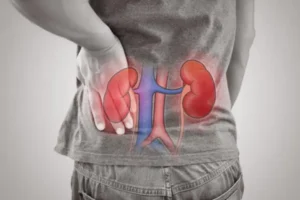 Your kidneys are important organs made up of tiny blood vessels that do several key things:
Because the kidneys have numerous blood vessels, they can be easily damaged by high blood sugar, high blood pressure, and chronic inflammation. Over time, this can lead to:
If it gets worse, your kidneys might stop working, and you could need dialysis or a new kidney.
 Diabetes
When blood sugar levels remain high for an extended period, it can cause damage to blood vessels and the kidneys. This can cause diabetic kidney disease, which is a leading cause of kidney failure around the world.
High Blood Pressure
High blood pressure places additional strain on blood vessels, particularly in the kidneys. Over time, this can lead to scarring and reduced kidney function.
Obesity and Metabolic Disease
Being very overweight makes diabetes and high blood pressure more likely and is linked to fatty liver disease and inflammation. These issues increase stress on the kidneys and heart.
When they happen together, the risks are even greater. That’s why it’s important to treat diabetes, high blood pressure, obesity, and fatty liver disease—not just for how you feel now, but to protect your kidneys and heart in the future.
Chronic kidney disease (CKD) is concerning because it often has no symptoms in its early stages. Many people feel fine while their kidneys are getting damaged.
When symptoms do show up, they can include:
By this time, kidney function may be significantly reduced.
Research from Johns Hopkins and other organizations indicates that basic urine testing is often underutilized. A recent study found that only 4.1% of adults with high blood pressure and 35.1% of those with diabetes had the recommended albumin-creatinine ratio (ACR) urine test in a two-year period. This means millions of people, both globally and in Texas, may be living with early-stage CKD without knowing it.
 Experts say that early diagnosis can make a big difference. If you have diabetes, high blood pressure, obesity, fatty liver disease, or a family history of kidney problems, talk to your doctor about:
Key Tests
In addition to well-known medications like ACE inhibitors and ARBs, new classes of drugs are changing how we treat high-risk patients:
SGLT2 inhibitors – originally used for diabetes, now shown to protect kidney function and reduce heart failure risk:
GLP-1 receptor agonists (GLP-1 RAs) – used for diabetes and weight management, with growing evidence of heart and kidney benefits:
When initiated early and paired with lifestyle modifications, these therapies can slow the progression of CKD and lower the risk of heart attacks, strokes, and heart failure.
 Quality Research is a clinical research center in San Antonio, Texas. For nearly 30 years, we have helped bring new medicines to local patients through clinical trials.
We conduct FDA-governed trials for conditions that raise the risk of kidney disease, including:
You can check our current studies on our website.
If you qualify for one of our studies, you may receive:
Clinical trials don’t replace your regular doctor visits, but they can:
If you meet any of the following criteria, you may want to consider exploring clinical trials at Quality Research:
Our study coordinators will review your medical history and provide detailed information about any studies for which you may qualify. They will also be available to answer any questions you have before you make a decision.
 If you live in or near San Antonio and are managing diabetes, high blood pressure, obesity, fatty liver disease, or other metabolic conditions, here are smart next steps: